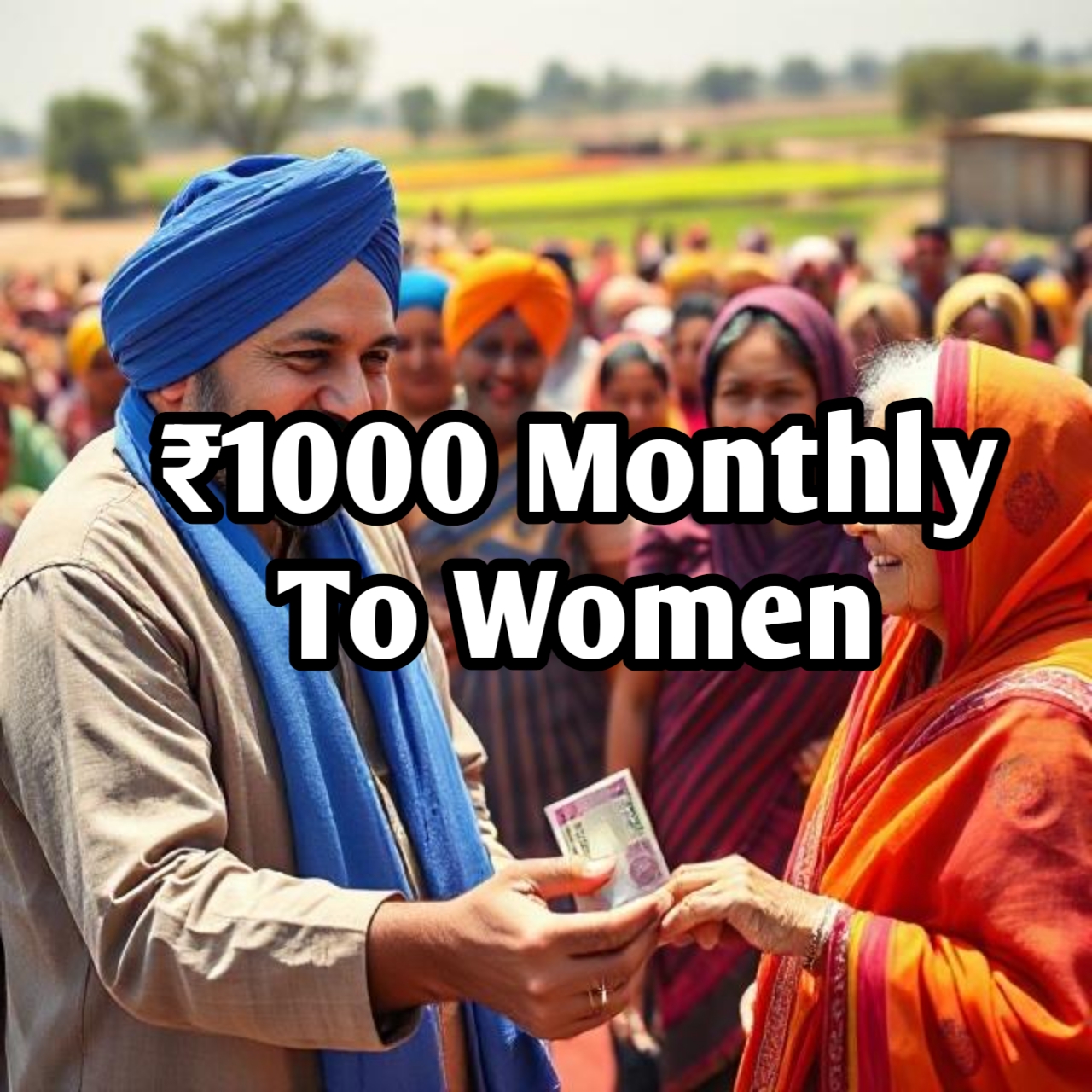
As Tarn Taran prepares for a crucial by-election, the Punjab CM’s announcement of a Rs. 1000 monthly payout for women has set the political stage ablaze. We break down the promise, the timing, and the potential impact.
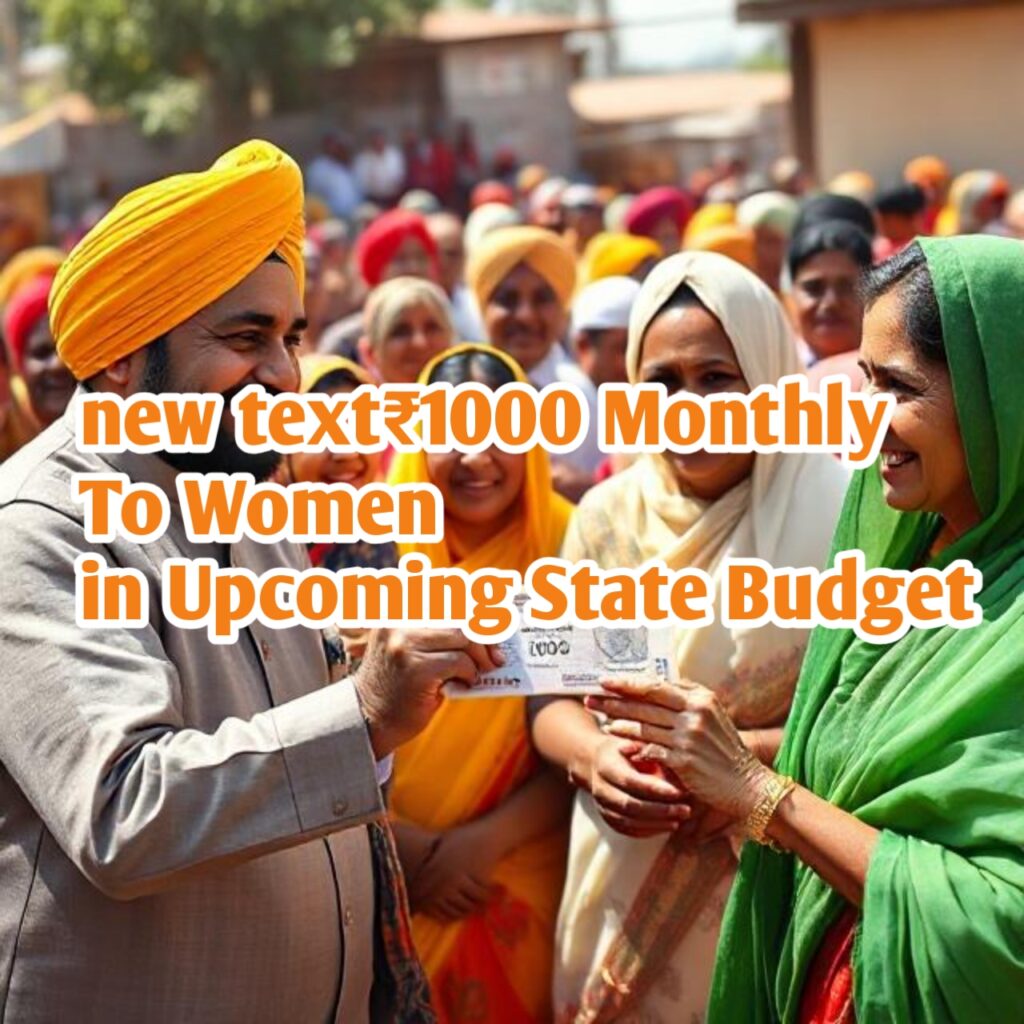
The political air in Punjab is thick with anticipation and strategy. With all eyes fixed on the high-stakes Tarn Taran Assembly by-election (scheduled for November 11 and results on November 14), Chief Minister Bhagwant Mann has made a headline-grabbing announcement that has instantly become the talk of the town.
In a move that directly targets a key demographic—women voters—the CM declared that his government will fulfill its promise of providing Rs. 1000 per month to every woman in Punjab.
The Announcement: A Direct Pitch to Women Voters
Addressing a gathering, the Chief Minister left no room for ambiguity. He stated, “Now it is the turn to give 1000 rupees to women.” He assured the public that the scheme will be formally passed in the upcoming state budget, laying out a clear, if ambitious, roadmap.
Most significantly, he used the moment to reinforce his government’s credibility, asserting, “All the guarantees made by the government will be fulfilled within 5 years.” This statement is a direct attempt to position the AAP government as one that delivers on its poll promises.
The Tarn Taran Context: Why This? Why Now?
The timing of this announcement is impossible to ignore. By-elections are often seen as a referendum on the sitting government’s performance. Tarn Taran, in particular, is a high-profile seat, and a victory here is crucial for the ruling party to maintain its political momentum.
The promise of direct financial assistance is a powerful tool, especially in a climate of economic uncertainty. By announcing this just before the polls, the government aims to:
- Consolidate the Women Vote Bank: This policy directly addresses women, a massive and influential voting bloc, positioning the government as pro-women and pro-family.
- Set the Narrative: It shifts the election conversation from local issues or anti-incumbency to a tangible benefit promised by the state government.
- Counter the Opposition: It forces rival parties to react, putting them on the defensive.